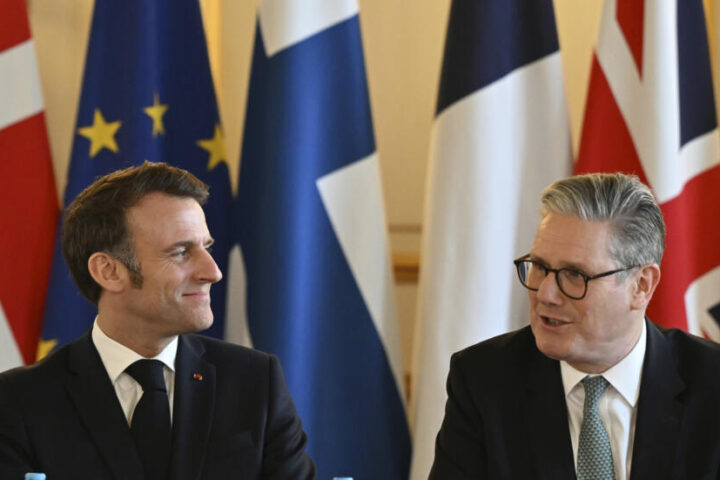
LONDON, Jan 31, 2026 — Britain and the European Union are preparing to reopen discussions on closer defence cooperation, marking what officials describe as a significant step toward rebuilding security ties nearly a decade after Brexit reshaped the relationship between London and Brussels.
Prime Minister Keir Starmer’s government confirmed on Friday that exploratory talks are underway to identify areas where the UK and EU can align on defence procurement, cyber security, intelligence-sharing, and joint military operations. The move comes amid growing geopolitical tensions and uncertainty surrounding future U.S. security commitments in Europe.
Senior British officials said the discussions are not about reversing Brexit but about strengthening Europe’s collective security framework in response to an evolving global threat landscape. “The security challenges we face today — from cyber warfare to conventional threats on NATO’s eastern flank — require coordinated action,” a government spokesperson said.
EU diplomats have signaled openness to structured defence collaboration, especially as the bloc advances its own strategic autonomy initiatives. Analysts note that closer coordination could include UK participation in EU-led defence projects or joint procurement programs aimed at reducing duplication and increasing efficiency across European forces.
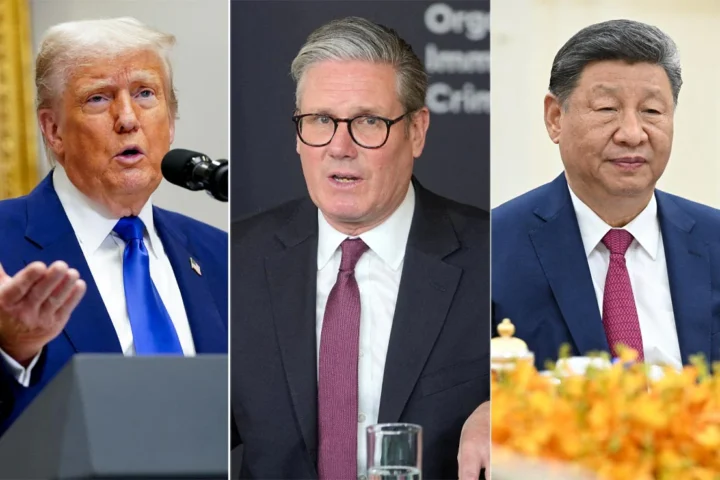
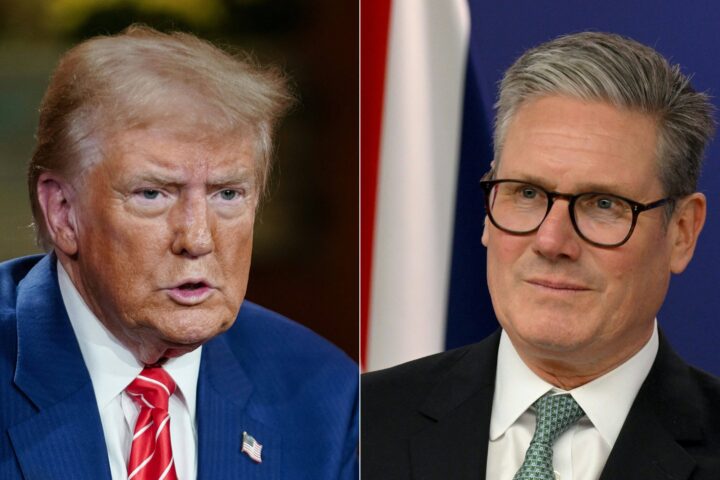
The timing of the talks is politically sensitive. With U.S. foreign policy under renewed debate in Washington, European leaders have been increasingly vocal about the need to ensure the continent can defend itself independently if necessary. Britain, a leading military power in Europe and a key NATO member, remains central to that calculation.
Defence experts argue that practical cooperation could yield benefits on both sides. “The UK retains advanced military capabilities, from naval assets to intelligence services,” said Malcolm Reeves, a London-based security analyst. “Bringing those into structured cooperation with EU initiatives could strengthen Europe’s overall defence posture.”
Opposition figures in Westminster have cautiously welcomed the move but warned against bureaucratic entanglements that could undermine British sovereignty. Meanwhile, business leaders in the defence industry have highlighted potential economic advantages, including expanded contracts and joint innovation projects.
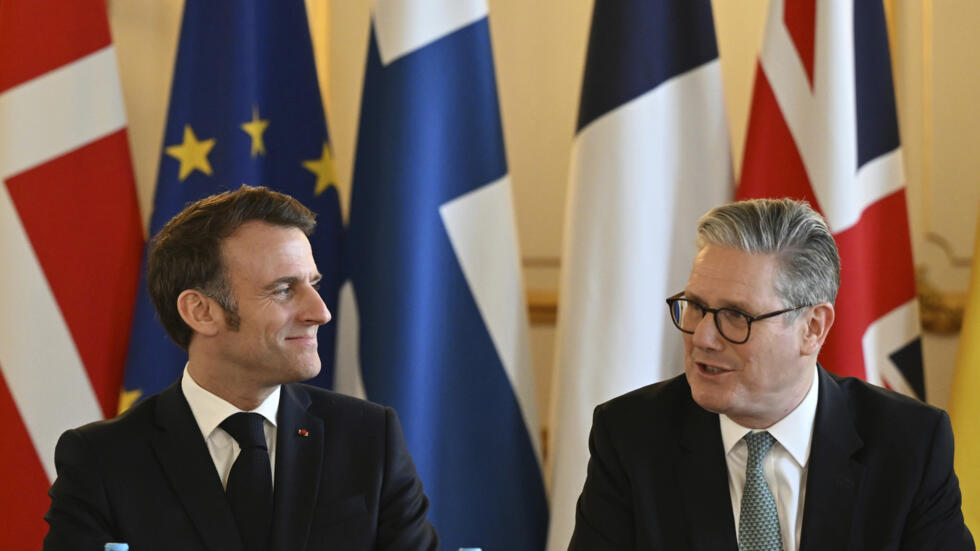
The government is expected to outline a framework for the talks in the coming weeks, with a formal summit between UK and EU leaders anticipated later this year. While no binding agreements have been reached, officials describe the mood as constructive.
For many observers, the renewed engagement reflects a pragmatic shift in Britain’s foreign policy — one that balances national autonomy with strategic cooperation in a world marked by instability.