When it comes to creating a comfortable and stylish seating area, selecting the right fabric for your bench cushions can make all the difference. Whether you’re furnishing a cozy indoor reading nook or outfitting your outdoor patio, understanding fabric properties will help you make an informed decision that balances comfort, durability, and aesthetics.
Understanding Fabric Types for Bench Cushions
The fabric you choose for your cushions directly impacts their longevity, maintenance requirements, and overall performance. Let’s explore the most popular options available today.
Indoor Fabric Options
For interior spaces, you have more flexibility with fabric choices since cushions won’t face harsh weather conditions. Cotton blends offer breathability and softness, making them ideal for everyday use. Velvet provides a luxurious feel perfect for formal living spaces, while linen delivers a relaxed, natural aesthetic that complements modern and farmhouse-style homes.
Microfiber has gained popularity for indoor bench cushions due to its stain-resistant properties and soft texture. It’s particularly suitable for households with children or pets, as it withstands frequent cleaning without losing its appeal.
Outdoor Fabric Excellence
Outdoor bench cushions require fabrics specifically engineered to withstand environmental challenges. Solution-dyed acrylic stands as the gold standard for exterior applications, offering exceptional UV resistance and colorfastness that prevents fading even after prolonged sun exposure.
Polyester fabrics treated with protective coatings provide water resistance and mildew prevention, making them suitable for patio bench cushions. These materials dry quickly after rain showers and maintain their shape throughout multiple seasons.
Key Fabric Characteristics to Consider
Durability and Wear Resistance
When shopping for bench cushions, examine the fabric’s thread count and weave density. Tighter weaves typically indicate superior durability and resistance to pilling or fraying. For high-traffic areas, opt for fabrics with a double rub count exceeding 15,000 cycles, ensuring they’ll maintain their integrity through years of use.
Water and Stain Resistance
Outdoor cushions for bench seating must repel moisture effectively to prevent mold growth and structural deterioration. Look for fabrics with hydrophobic treatments that cause water to bead on the surface rather than penetrate the material. This feature proves equally valuable for indoor cushions in dining areas or breakfast nooks where spills occur frequently.
UV Protection and Colorfastness
Sunlight gradually degrades most fabrics, causing colors to fade and fibers to weaken. Premium bench cushions outdoor utilize fabrics with built-in UV inhibitors that protect against harmful rays. Solution-dyed fabrics, where color is added during the manufacturing process rather than applied afterward, demonstrate superior color retention compared to piece-dyed alternatives.
Breathability and Comfort
While durability matters, comfort shouldn’t be compromised. Breathable fabrics allow air circulation, preventing heat buildup during warm weather. This characteristic proves essential for outdoor seating areas where cushions receive direct sunlight throughout the day.
Top Fabric Recommendations by Use Case
For Covered Patios and Screened Porches
Sunbrella fabric remains the industry leader for covered outdoor spaces, offering an extensive color palette and pattern selection. Its solution-dyed acrylic construction resists fading, water, and mildew while maintaining a soft hand feel that doesn’t sacrifice comfort for durability.
For Fully Exposed Outdoor Areas
Marine-grade vinyl provides maximum weather protection for benches completely exposed to the elements. Though less breathable than fabric alternatives, vinyl’s waterproof nature and easy-clean surface make it practical for lakefront properties or poolside seating.
For Indoor Multipurpose Spaces
Cotton-polyester blends strike an excellent balance between comfort and practicality for interior applications. The cotton component provides softness and breathability, while polyester adds durability and wrinkle resistance. These blends typically accept stain treatments well, extending their usable life.
Maintenance Requirements by Fabric Type
Easy-Care Options
Synthetic fabrics like polyester and acrylic require minimal maintenance. Most spills can be addressed with mild soap and water, and these materials resist staining from common substances. For outdoor bench cushions, simply hosing them down periodically removes dust and pollen buildup.
Special Care Fabrics
Natural materials such as cotton and linen demand more attention. They may require professional cleaning for stubborn stains and should be brought indoors during extended rainy periods to prevent mildew development. However, their aesthetic appeal and eco-friendly nature make them worthwhile choices for protected environments.
Color and Pattern Selection
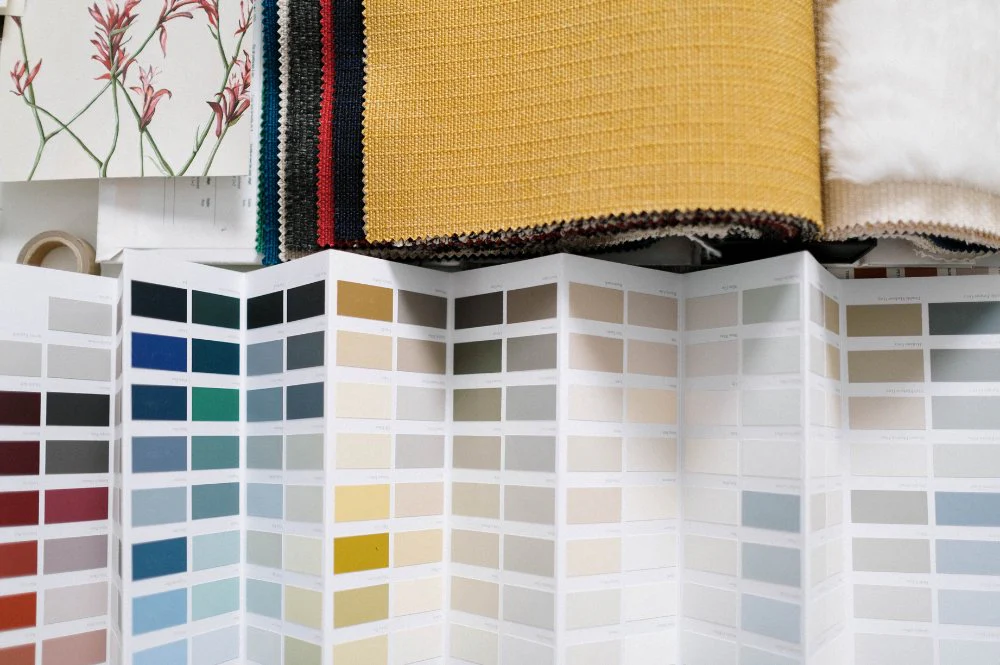
Beyond fabric type, color choice influences both aesthetics and practicality. Darker hues and busy patterns effectively camouflage minor stains and wear, making them ideal for heavily used seating areas. Lighter colors create an airy, spacious feel but require more frequent cleaning to maintain their pristine appearance.
Consider your existing décor when selecting patterns. Solid colors offer versatility and timeless appeal, while geometric or floral designs can serve as focal points that tie together your outdoor or indoor living space.
Environmental Considerations
Eco-conscious consumers should investigate sustainable fabric options. Recycled polyester derived from plastic bottles provides excellent performance while reducing environmental impact. Organic cotton, though requiring more care, offers biodegradability and chemical-free production methods.
Some manufacturers now produce cushion fabrics using water-based printing techniques and non-toxic finishes, allowing you to furnish your space responsibly without compromising quality.
Working with Professional Quality Materials
When you’re ready to invest in premium seating solutions, Aoodor Shop offers carefully curated selections that prioritize both form and function. Their commitment to quality ensures you’ll find options suitable for any environment.
Quality bench cushions combine expert fabric selection with superior construction techniques, delivering products that enhance your space while standing up to daily demands.
Making Your Final Decision
Consider these factors when making your selection:
- Climate conditions in your area and how much weather protection your cushions will receive
- Usage frequency and whether the space sees daily use or occasional entertaining
- Maintenance capacity based on how much time you can dedicate to cushion care
- Aesthetic preferences that align with your existing décor style
- Budget constraints while remembering that higher-quality fabrics often prove more economical long-term
Frequently Asked Questions
What’s the most durable fabric for outdoor bench cushions?
Solution-dyed acrylic, particularly Sunbrella fabric, offers the best combination of durability, UV resistance, and weather protection for outdoor applications. It maintains color vibrancy and structural integrity through multiple seasons of exposure.
Can I use indoor cushion fabrics outside?
While possible for covered areas with minimal weather exposure, indoor fabrics lack the treatments necessary for prolonged outdoor use. They’ll fade faster, absorb moisture, and develop mildew when subjected to rain and humidity.
How do I clean different cushion fabrics?
Synthetic outdoor fabrics typically require only mild soap, water, and a soft brush. Natural fibers may need specialized cleaners. Always check manufacturer care instructions and test cleaning solutions on inconspicuous areas first.
Do darker fabrics get hotter in the sun?
Yes, darker colors absorb more heat than lighter shades. However, fabric composition and weave density influence heat retention more significantly than color alone. Breathable fabrics with loose weaves stay cooler regardless of color.
Selecting the perfect fabric for your cushions involves balancing practical requirements with personal style preferences. By understanding the properties of various materials and considering your specific needs, you’ll create a comfortable, attractive seating area that serves you well for years to come.
Keep an eye for more latest news & updates on Daily Uk!