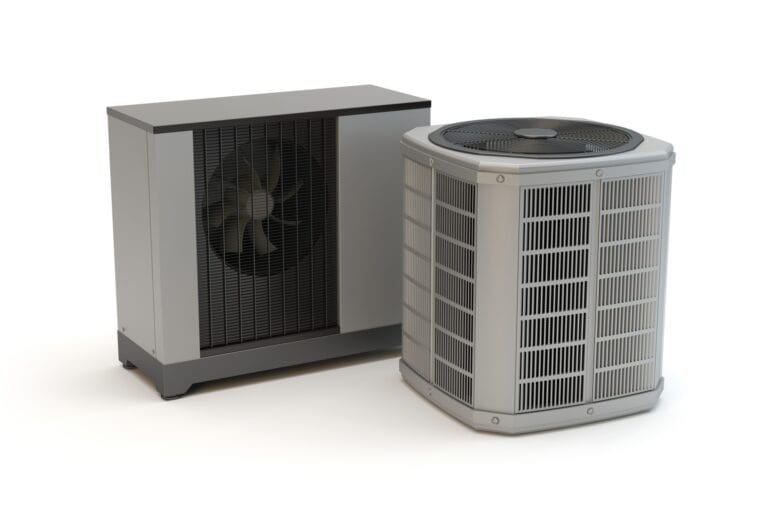
Heat pumps are increasingly popular in residential HVAC systems because they offer both heating and cooling in one efficient package. Unlike traditional furnaces that generate heat through combustion or electric resistance, heat pumps move heat between the indoors and outdoors. This makes them a versatile, energy-efficient solution for year-round climate control in many homes.
This article provides a general, educational overview of heat pumps. It explains how they work, common benefits and limitations, and key considerations for homeowners thinking about installation, maintenance, or replacement.
How Heat Pumps Work
At their core, heat pumps are refrigeration systems that transfer heat rather than create it. In cooling mode, they extract heat from inside the home and release it outdoors—just like an air conditioner. When heating is needed, they reverse the process: extracting heat from outdoor air (even when it’s cool) and moving it inside.
Heat pumps consist of these main components:
- Compressor: Pressurizes refrigerant to move heat efficiently
- Reversing valve: Switches between heating and cooling modes
- Evaporator and condenser coils: Facilitate heat absorption and release
- Air handler: Distributes conditioned air through ducts
Because they transfer heat instead of generating it, heat pumps are often more energy-efficient than traditional HVAC systems, especially in mild to moderate climates.
Benefits of Using a Heat Pump
Heat pumps offer several advantages that make them attractive for many homeowners:
- Year-round comfort: A single system handles both heating and cooling
- Energy efficiency: Heat transfer requires less energy than creating heat from scratch
- Lower utility bills: Efficient operation often translates to cost savings
- Reduced environmental impact: Less energy use means fewer emissions when powered by clean energy sources
These benefits make heat pumps a compelling option for homeowners looking to improve comfort while controlling energy costs.
Heat Pump Performance in Different Climates
One common misconception is that heat pumps only work well in warm climates. While performance can vary with outdoor temperatures, modern heat pump technology—including cold-climate models—has expanded their viability into cooler regions. Before choosing a system, homeowners should consider:
- Local climate patterns
- System efficiency ratings
- Supplemental heat options for colder months
Evaluating these factors helps ensure that a heat pump matches the performance expectations for a given location.
Heat Pump Installation Considerations
Proper installation is essential for maximizing efficiency and comfort. System sizing, duct compatibility, and outdoor unit placement all influence performance.
Important installation factors include:
- Accurate load calculation: Determines the right size system for the home
- Duct system condition: Ensures efficient airflow without leaks or restrictions
- Clearance around outdoor units: Helps maintain proper airflow and performance
Because installation affects long-term efficiency, homeowners should understand what to expect from professional services. Many turn to resources like cowboysac.com for general insights into what heat pump support includes from trained technicians.
Maintenance and Longevity
Like all HVAC equipment, heat pumps benefit from regular maintenance. Frequent service helps keep components clean, refrigerant levels balanced, and controls functioning properly.
Regular maintenance can:
- Extend system lifespan
- Improve energy efficiency
- Reduce the risk of unexpected breakdowns
- Maintain consistent comfort levels
Scheduled tune-ups typically involve checking refrigerant, cleaning coils, inspecting electrical components, and testing performance in both heating and cooling modes.
Common Heat Pump Issues
Heat pumps are reliable, but they can experience problems—especially if neglected. Some issues homeowners might encounter include:
- Icing on outdoor units: Often a normal process, but excessive ice may indicate airflow or refrigerant issues
- Reduced heating capacity in extreme cold: A cold-climate model or supplemental heat can help
- Unusual noises: May signal loose components or airflow restrictions
- Thermostat malfunctions: Incorrect readings can affect performance
Prompt diagnosis and repair help keep systems operating smoothly.
Heat Pumps and Energy Efficiency Ratings
When evaluating heat pumps, efficiency ratings such as SEER (Seasonal Energy Efficiency Ratio) for cooling and HSPF (Heating Seasonal Performance Factor) for heating are important. Higher numbers generally indicate better efficiency.
Homeowners considering a heat pump should compare these ratings to understand potential energy savings and long-term cost implications before purchase.
Replacement and Upgrade Timing
Even well-maintained heat pumps eventually reach the end of their useful life—typically 10–15 years or more, depending on usage and maintenance history. When the cost of frequent repairs grows or energy bills rise significantly, replacement may be more cost-effective.
Upgrading to a newer, more efficient model often delivers:
- Lower utility costs
- Better year-round performance
- Improved reliability
Balancing upfront costs with long-term savings is key to making the right decision.
Making the Right Choice for Your Home
Choosing the right heating and cooling solution depends on your home’s layout, climate, and comfort priorities. Heat pumps offer a flexible and efficient alternative to traditional systems, but they’re not one-size-fits-all. Understanding how they work and what services they typically need helps homeowners make better decisions.
With careful planning, proper installation, and consistent maintenance, heat pumps can deliver reliable comfort and energy savings for many years.
Keep an eye for more latest news & updates on Daily!